Names in Different Languages
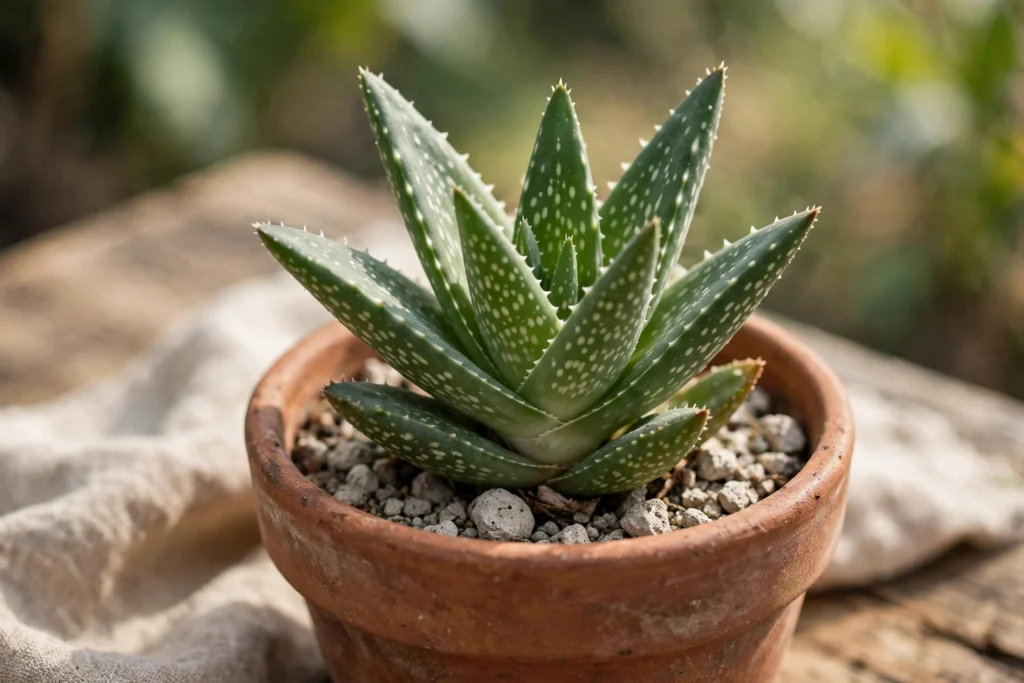
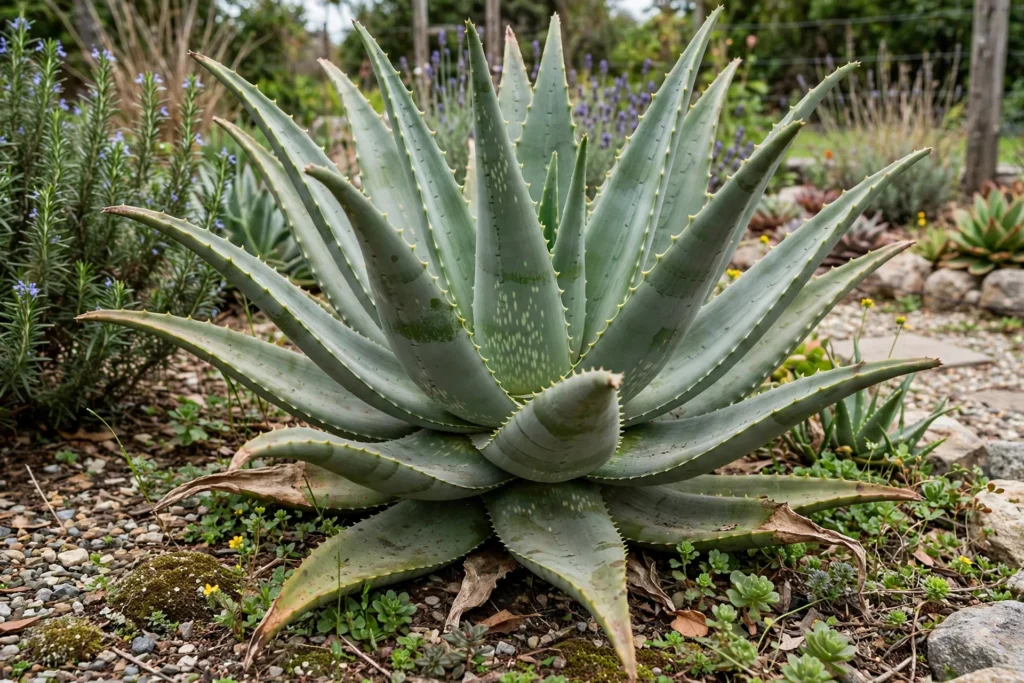
| English | Aloe Vera |
|---|
| Urdu | گھیکوار |
|---|
| Hindi | घृतकुमारी |
|---|
| Farsi | آلوئهورا |
|---|
| Unani | Gheekwar |
|---|
| French | Aloe vera |
|---|
| German | Aloe vera |
|---|
Traditional Uses
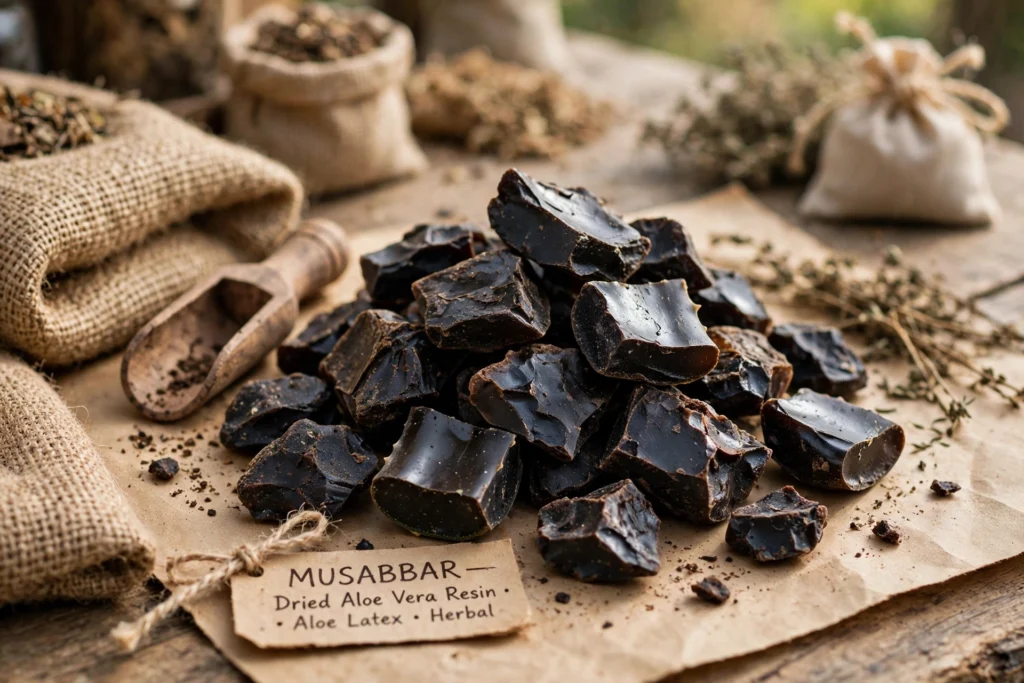
In Egyptian, Greek, Indian and Chinese traditional medicine, aloe gel has long been applied to burns, wounds and skin conditions, and the latex used as a strong purgative; in Unani medicine the dried latex (musabbar) was a classic laxative, while the gel is the form used on skin today.
Modern Research
Evidence is strongest for topical gel on minor burns: a 2023 meta-analysis found healing about 3.76 days faster for second-degree burns, though a 2012 Cochrane review found no high-quality evidence for wounds generally. Oral gel evidence for digestion and blood sugar is preliminary and mixed, and there is no standard oral dose. The gel and the latex are entirely different in safety: latex is a potent stimulant laxative, FDA-removed from over-the-counter laxatives in 2002, and whole-leaf extract caused large-intestine tumours in rats.
Uses
- Burn and sunburn care (gel, topical)
- Skin care (moisturizer, minor irritation)
- Digestive comfort (purified gel juice, short-term)
- Wound care support (minor cuts, topical)
Benefits of Use
- Burn support: gel may speed healing of minor first and second-degree burns by a few days
- Skin support: moisturizing and anti-inflammatory action may soothe sunburn, dry skin and minor irritation
- Digestive support: purified inner-leaf gel may soothe stomach and bowel irritation, with mixed trial evidence for IBS
- Blood-sugar support: small trials report modest fasting glucose and HbA1c improvements, with inconsistent results
Safe Dose & Overdose (mg/g)
Raw Herb Form
Safe: 300-500 mg/day inner-leaf gel powder (decolourised, low-aloin); topical gel applied as a thin layer as needed — no standard topical dose. Oral gel studied only short-term, up to 42 days.
Overdose: Oral latex above 1,000 mg/day: nephrotoxicity, severe cramping diarrhoea, potassium loss and possible kidney failure; non-decolourised whole-leaf extract is classified as possibly carcinogenic to humans (IARC) after rat studies.
Extract Form
Safe: 100-300 mg/day decolourised inner-leaf gel extract (capsules); oral gel juice 15 mL/day used in studies for up to 42 days.
Overdose: Not established
Side Effects
- Burning, itching, rash or eczema from topical gel in sensitive users
- Abdominal pain, cramps and diarrhoea from oral latex
- Potassium loss and dehydration with chronic latex use
- Rare acute hepatitis reported with oral aloe products
- Oral use may be unsafe in pregnancy
Interactions
- Digoxin and other heart medicines: latex-driven potassium loss raises toxicity risk
- Diuretics (water pills): latex use increases potassium loss
- Diabetes medicines: oral gel may add to blood-sugar-lowering effects
- Laxatives: latex adds to laxative effects and fluid loss
- Blood thinners: may increase bleeding risk in theory
Sources
DisclaimerGeneral information only — not medical advice. Consult a qualified healthcare professional before use.