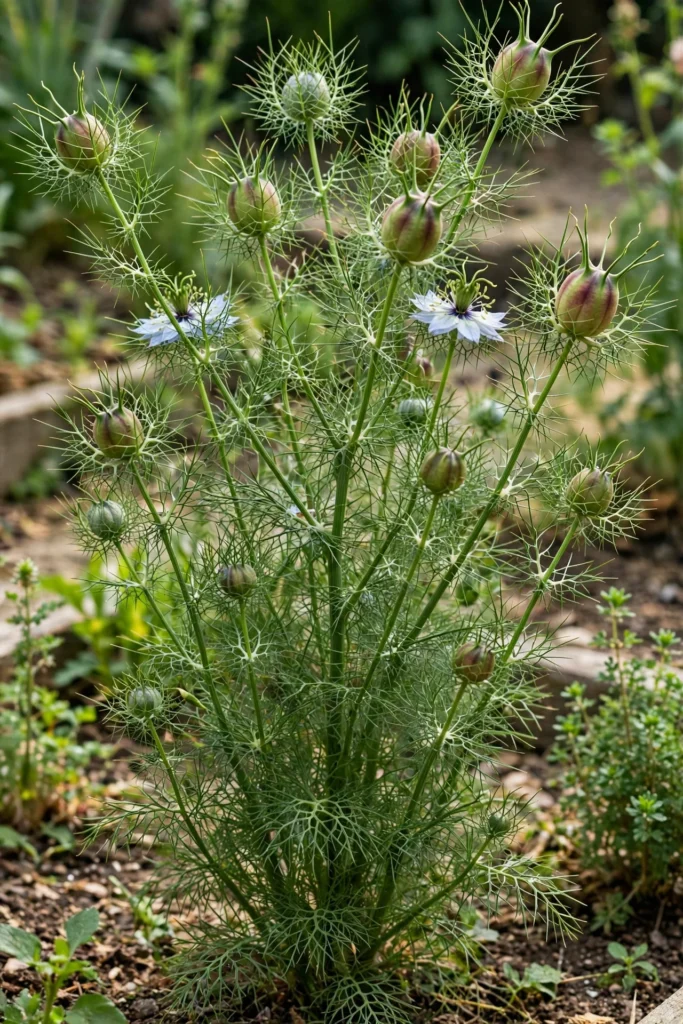
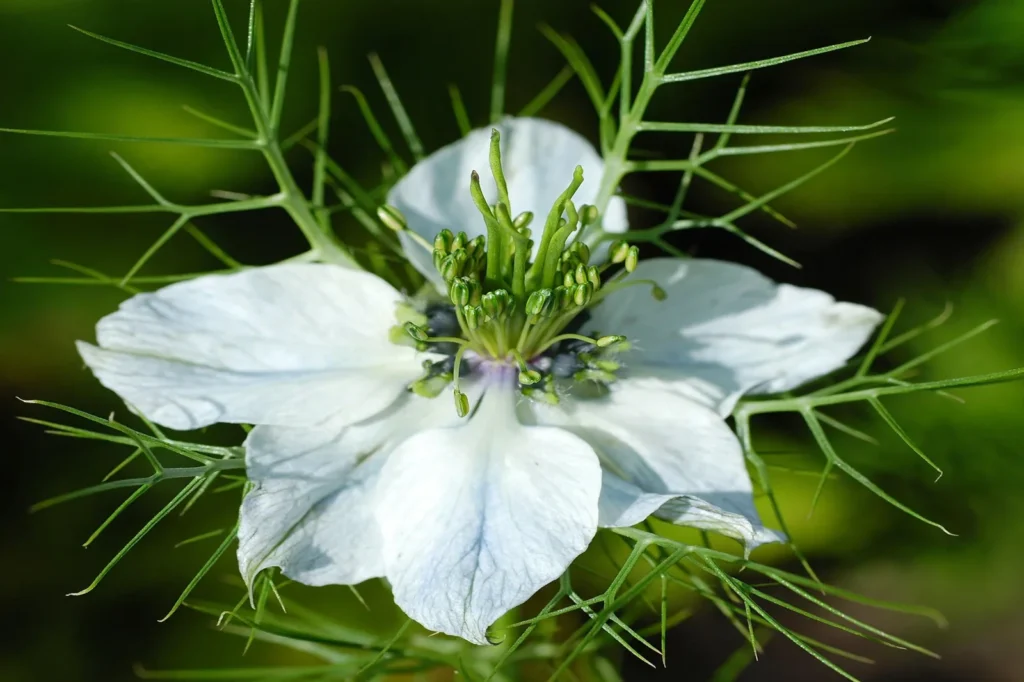
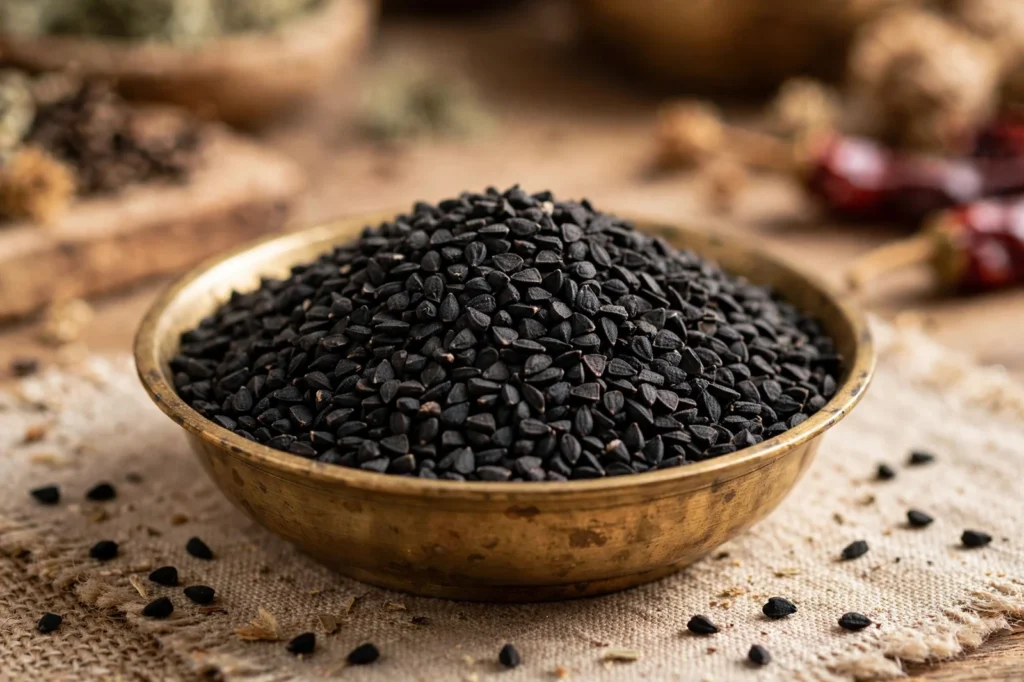
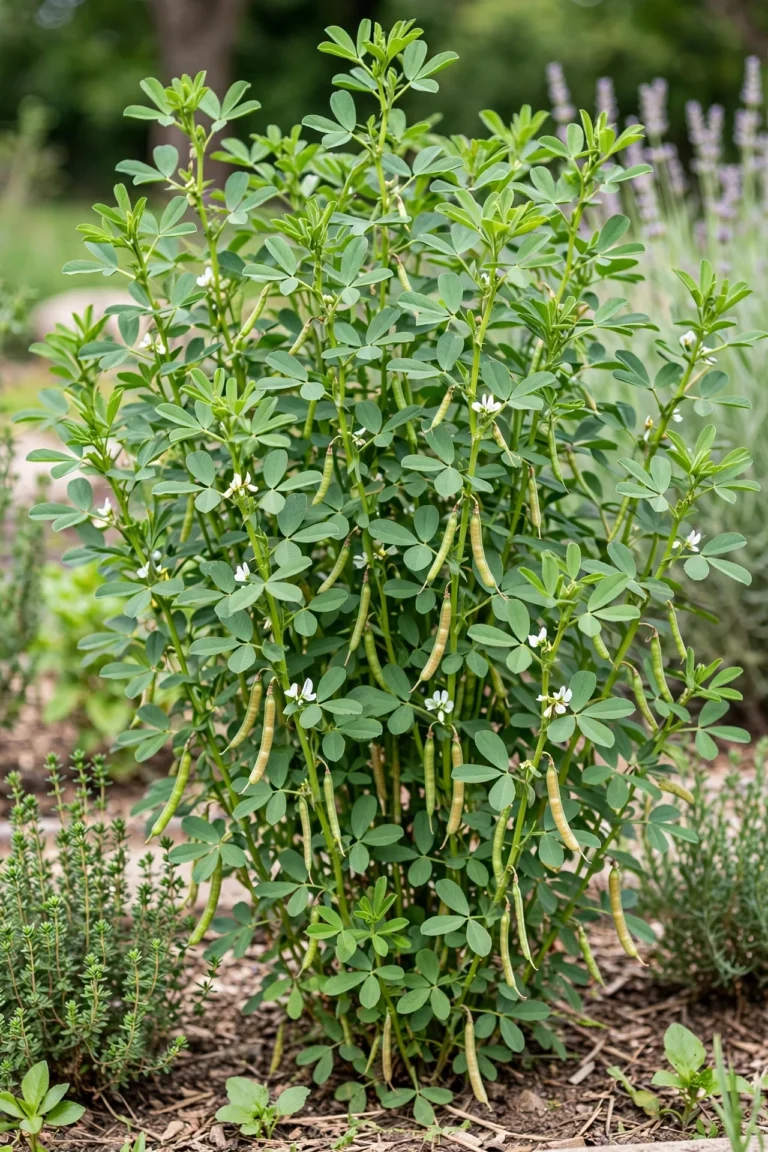
Names in Different Languages
| English | Black Seed |
|---|
| Urdu | کلونجی |
|---|
| Hindi | कलौंजी |
|---|
| Farsi | سیاهدانه |
|---|
| Unani | Kalonji |
|---|
| French | Nigelle |
|---|
| German | Schwarzkümmel |
|---|
Traditional Uses
In Unani and Islamic traditional medicine, black seed (habbat al-barakah) has long been used for respiratory complaints, digestive problems, skin conditions and general vitality, taken as whole or ground seeds or pressed oil.
Modern Research
Thymoquinone is the main studied compound. Trials report modest improvements in blood-sugar control, blood pressure and respiratory symptoms, and antioxidant and anti-inflammatory activity in laboratory studies. Results are modest and vary by preparation; black seed is not a substitute for prescribed treatment.
Uses
- Respiratory support
- Blood-sugar support
- Immune support
- Skin care (oil, traditional)
Benefits of Use
- Respiratory support: may ease mild asthma and allergy symptoms
- Blood-sugar support: may modestly improve fasting blood sugar in trials
- Immune support: antioxidant and anti-inflammatory activity may support general immune function
- Skin support: oil traditionally used for dry skin and minor irritation
Safe Dose & Overdose (mg/g)
Raw Herb Form
Safe: 1,000-3,000 mg/day ground seeds (2,000 mg/day most common in trials; studied range 500-6,000 mg/day).
Overdose: Not established
Extract Form
Safe: 500-2,000 mg/day oil capsules, or 2,500-5,000 mg (2.5-5 mL)/day liquid oil with meals; standardized 5% thymoquinone oil was used at 200 mg/day in a 90-day safety trial.
Overdose: Not established
Side Effects
- Digestive upset, nausea and bloating
- Allergic rash in sensitive users, especially from oil on skin
- Low blood pressure or low blood sugar at high doses
- Drowsiness in some users
Interactions
- Blood thinners: may increase bleeding risk
- Diabetes medicines: may add to blood-sugar-lowering effects
- Blood-pressure medicines: may add to blood-pressure-lowering effects
- Drugs processed by liver enzymes CYP2D6 and CYP3A4: black seed may alter their levels
- Sedatives: may add to drowsiness
Sources
DisclaimerGeneral information only — not medical advice. Consult a qualified healthcare professional before use.