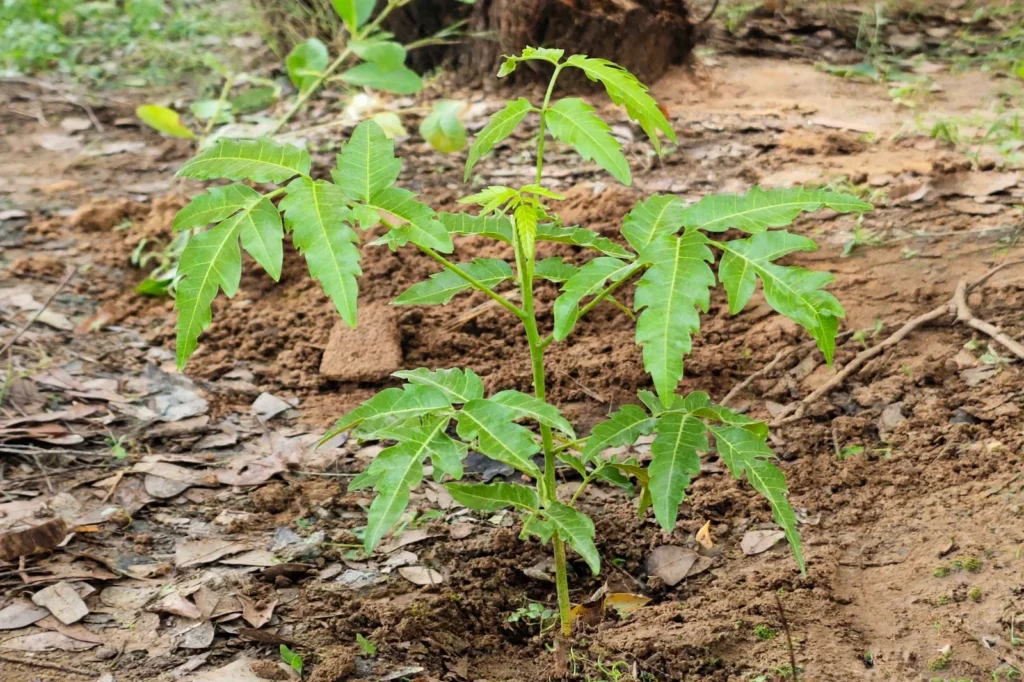
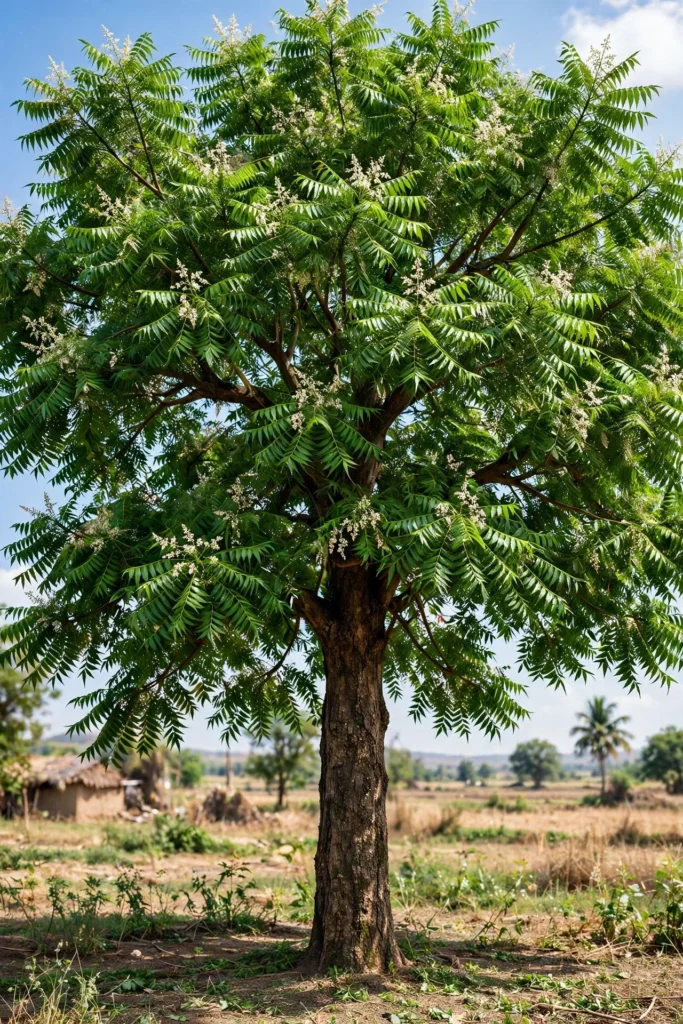
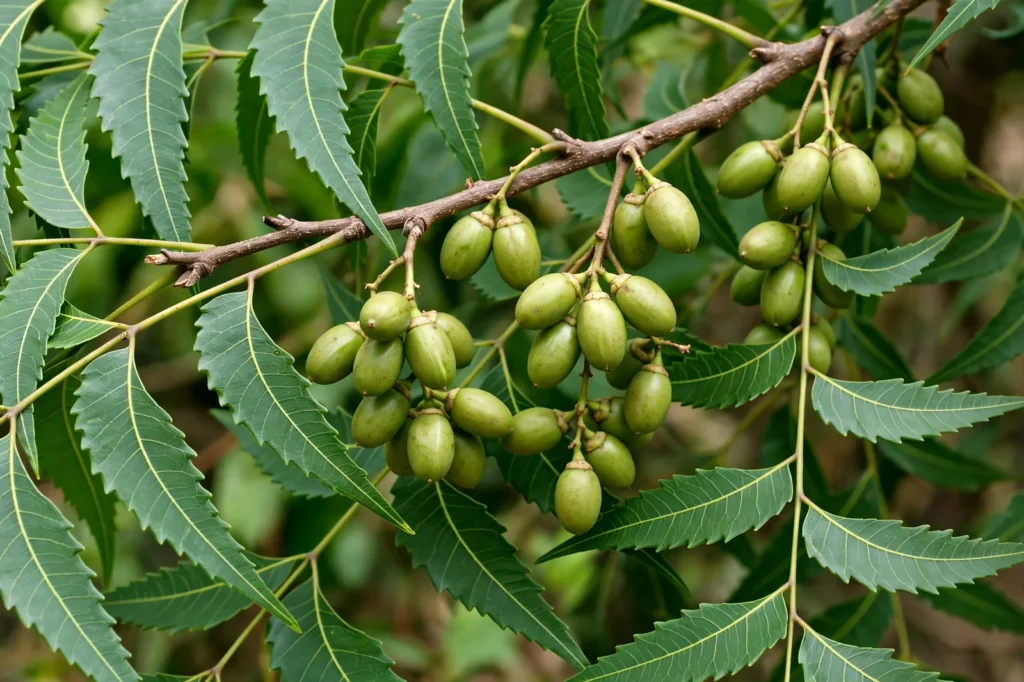
Names in Different Languages
| English | Neem |
|---|
| Urdu | نیم |
|---|
| Hindi | नीम |
|---|
| Farsi | نیم |
|---|
| Unani | Neem |
|---|
| French | Margousier |
|---|
| German | Neem |
|---|
Traditional Uses
In Ayurveda and Unani medicine, neem leaf, bark and oil have long been used for skin conditions, dental care (neem twigs), blood purification in traditional terms, and as an insect repellent.
Modern Research
Neem leaf compounds show antibacterial, antifungal and anti-inflammatory activity in laboratory studies, and some small trials support dental and skin uses. Human clinical evidence is limited, and neem seed oil is toxic if swallowed, especially for children.
Uses
- Skin care (leaf paste, oil for external use)
- Dental care (traditional twig brushing)
- Blood-sugar support (traditional)
- Insect repellent (oil, external)
Benefits of Use
- Skin support: antibacterial and antifungal activity may help minor skin irritation and acne-prone skin
- Dental support: traditional use for gum health, with some small-study support
- Immune support: traditional tonic use, with laboratory evidence of immune-modulating compounds
- Blood-sugar support: traditional use, with limited human trial evidence
Safe Dose & Overdose (mg/g)
Raw Herb Form
Safe: 1,000-3,000 mg/day dried leaf powder for general use (Ayurvedic sources commonly use 1,000-3,000 mg twice daily, i.e. up to 6,000 mg/day).
Overdose: Above 6,000 mg/day: gastric discomfort and diarrhoea; 10,000 mg/day linked to nausea and liver enzyme elevation; neem seed oil ingestion is toxic, especially in children.
Extract Form
Safe: 250-1,000 mg/day standardized neem leaf extract short-term (tablets commonly 250-500 mg twice daily).
Overdose: Not established
Side Effects
- Gastric discomfort and diarrhoea at high doses
- Nausea and liver enzyme elevation at very high doses
- Neem seed oil swallowed is toxic, especially in children, and can cause vomiting, drowsiness and seizures
- Skin irritation from undiluted oil in sensitive users
Interactions
- Blood thinners: may increase bleeding risk
- Diabetes medicines: may add to blood-sugar-lowering effects
- Immunosuppressant drugs: neem may stimulate immune activity and reduce their effect
- Lithium: neem may alter lithium levels
Sources
DisclaimerGeneral information only — not medical advice. Consult a qualified healthcare professional before use.