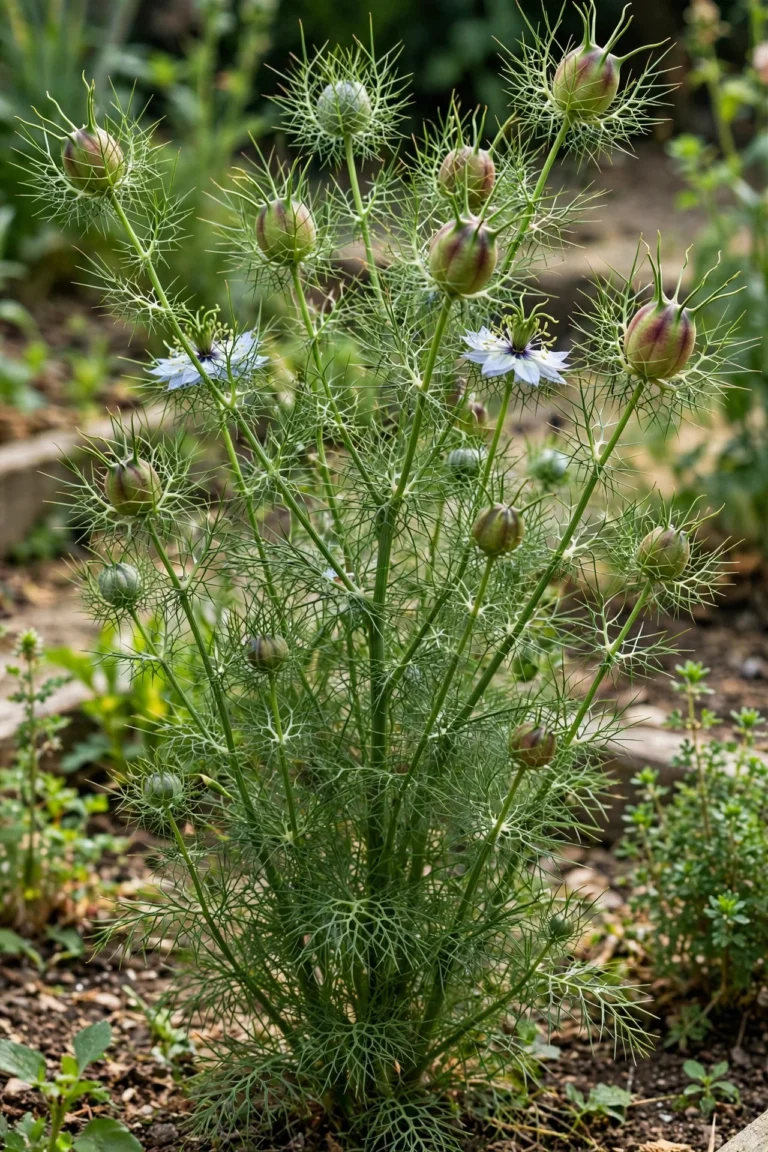
Names in Different Languages
| English | Carom Seed |
|---|
| Urdu | اجوائن |
|---|
| Hindi | अजवाइन |
|---|
| Farsi | زنیان |
|---|
| Unani | Nankhwah |
|---|
| French | Ajowan |
|---|
| German | Königskümmel |
|---|
Traditional Uses
In Ayurveda and Unani medicine, ajwain seed has long been used for indigestion, gas, bloating, colic and coughs, taken as seed powder, in warm water or as a steam inhalation, and as a cooking spice.
Modern Research
Thymol is the main active compound, giving ajwain its antiseptic and antispasmodic properties in laboratory studies. Human trial evidence is limited; traditional digestive and respiratory uses have the most support, mainly from small studies and long traditional use.
Uses
- Digestive support (gas, bloating, indigestion)
- Respiratory support (cough, congestion)
- Heart support (traditional)
- Cooking spice
Benefits of Use
- Digestive support: antispasmodic action may ease gas, bloating and stomach cramps
- Respiratory support: thymol steam and tea traditionally ease congestion and cough
- Heart support: traditional use for circulation, with limited modern trial evidence
- Antiseptic support: thymol has laboratory antibacterial and antifungal activity
Safe Dose & Overdose (mg/g)
Raw Herb Form
Safe: 1,000-3,000 mg/day seed powder (commonly 1,000-2,000 mg/day; therapeutic use 2,000-4,000 mg/day).
Overdose: Above 10,000 mg/day: acidity, burning sensation and mouth ulcers; above 5,000 mg/day may irritate the gastric lining.
Extract Form
Safe: 250-500 mg/day standardized (thymol) extract (a trial used 500 mg twice daily; Ajwain Sat extract 125 mg twice daily).
Overdose: Not established
Side Effects
- Acidity and burning sensation at high doses
- Mouth ulcers with excessive use
- Gastric lining irritation above 5,000 mg/day
- Nausea and dizziness at very high doses
Interactions
- Blood thinners: may increase bleeding risk
- Diabetes medicines: may add to blood-sugar-lowering effects
- Blood-pressure medicines: may add to blood-pressure-lowering effects
- Liver-processed drugs: thymol may alter metabolism in theory
Sources
DisclaimerGeneral information only — not medical advice. Consult a qualified healthcare professional before use.