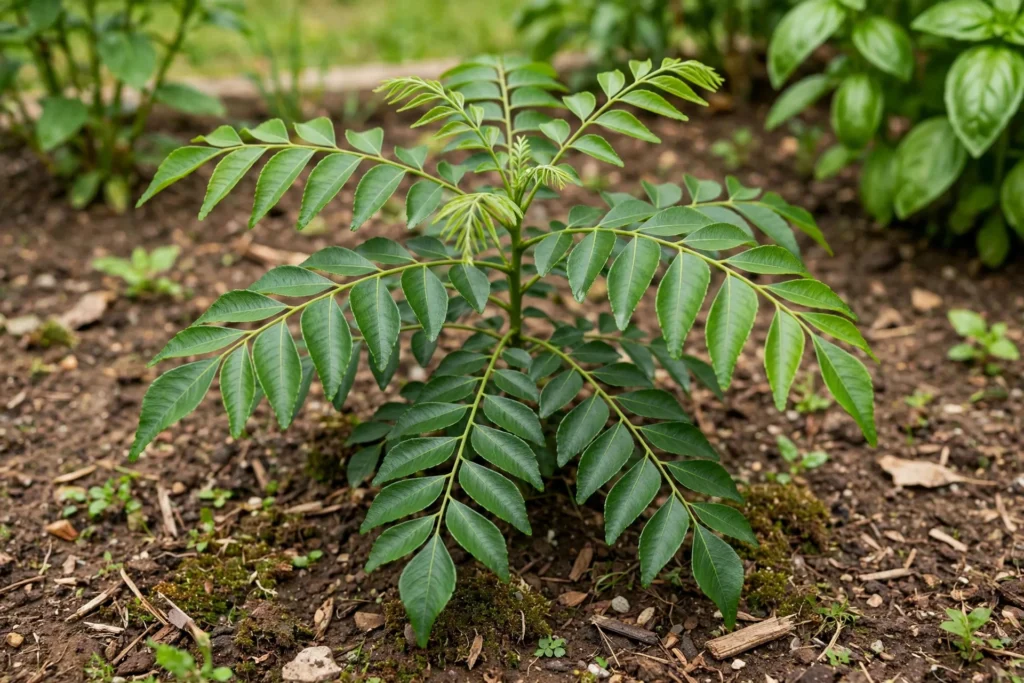
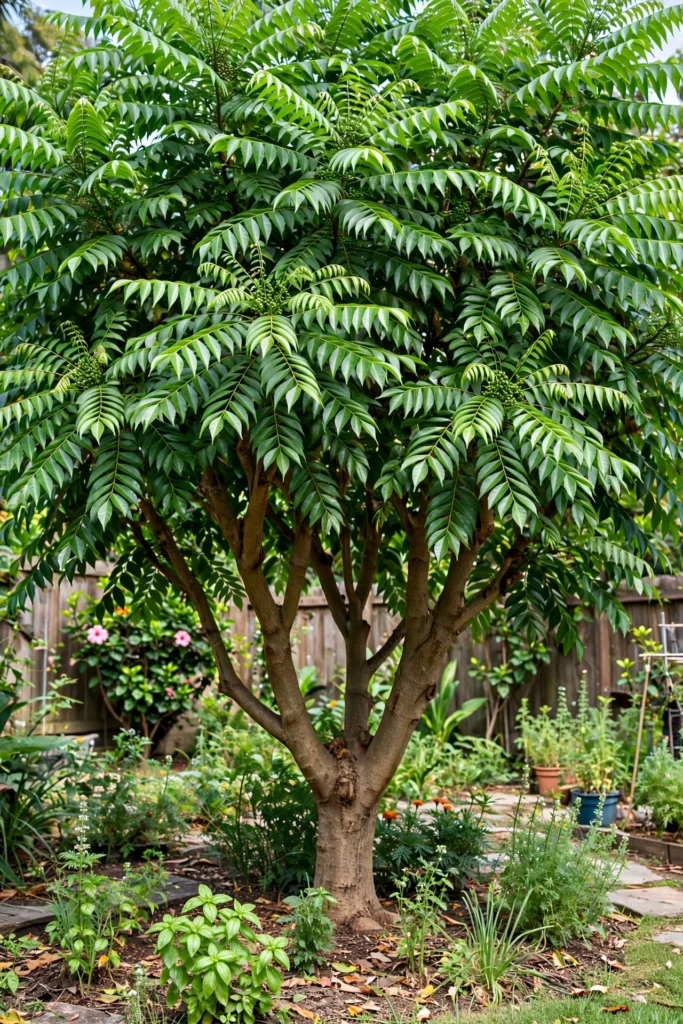
Names in Different Languages
| English | Curry Leaves |
|---|
| Urdu | کری پتا |
|---|
| Hindi | करी पत्ता |
|---|
| Farsi | برگ کاری |
|---|
| Unani | Kari Patta |
|---|
| French | Feuilles de curry |
|---|
| German | Curryblätter |
|---|
Traditional Uses
In Ayurveda and folk medicine across South Asia, curry leaves have been used for centuries to ease digestion, help balance blood sugar, soothe skin irritation, reduce fever and promote hair health, prepared as teas, powders, pastes and hair oils.
Modern Research
Curry leaves are rich in carbazole alkaloids (mahanimbine, girinimbine), flavonoids and iron. Laboratory and animal studies show antioxidant, anti-inflammatory and blood-sugar-modulating activity, and a few small human trials suggest improved glucose handling, but human clinical research is sparse, small and short-term, so no definitive health benefit in humans is confirmed and larger randomised trials are needed.
Uses
- Digestive support (bloating, gas, indigestion)
- Blood-sugar support
- Skin and hair support (traditional, external and dietary)
- Cooking (aromatic leaves in curries and tempering)
Benefits of Use
- Blood-sugar support: carbazole alkaloids such as mahanimbine may slow starch breakdown (alpha-amylase inhibition) and improve glucose handling in animal and small human studies
- Digestive support: traditional use for bloating, gas and sluggish digestion, with stimulation of digestive enzymes
- Skin support: antioxidant and antibacterial activity in laboratory studies, including activity against acne-causing bacteria; traditional paste use for skin irritation
- Cholesterol support: animal studies and a small University of Chicago trial report improved lipid profiles with leaf extract
Safe Dose & Overdose (mg/g)
Raw Herb Form
Safe: 1,000-3,000 mg/day dried leaf powder (1-3 g/day); fresh leaves 8-10 per day in food or tea; a 2018 trial used 2,000 mg powdered leaf twice daily for dyspepsia.
Overdose: Above 5,000 mg/day dried leaf powder: mild gastrointestinal upset, nausea and diarrhoea reported; no formal overdose limit established.
Extract Form
Safe: 600-1,000 mg/day standardized ethanolic extract (300-500 mg twice daily, standardized to about 5% alkaloids).
Overdose: Not established
Side Effects
- Mild stomach upset, nausea and loose stools when taken in excess
- Acid reflux in sensitive people from strong infusions
- Allergic reactions (rare), including mouth tingling, rash or lip swelling
- Skin rash from topical use of the essential oil in sensitive people
Interactions
- Diabetes medicines (metformin, insulin, sulfonylureas): may add to blood-sugar-lowering effects and raise hypoglycaemia risk
- Blood thinners (warfarin, aspirin, clopidogrel): possible additive effect on bleeding risk
- Blood-pressure medicines: vasodilatory alkaloids may add to blood-pressure-lowering effects
- Surgery: herbal infusions are generally paused two weeks before surgery as a precaution
Sources
DisclaimerGeneral information only — not medical advice. Consult a qualified healthcare professional before use.