Names in Different Languages
| English | Lavender |
|---|
| Urdu | استخودوس |
|---|
| Hindi | लैवेंडर |
|---|
| Farsi | اسطوخودوس |
|---|
| Unani | Ustukhuddus |
|---|
| French | Lavande |
|---|
| German | Lavendel |
|---|
Traditional Uses
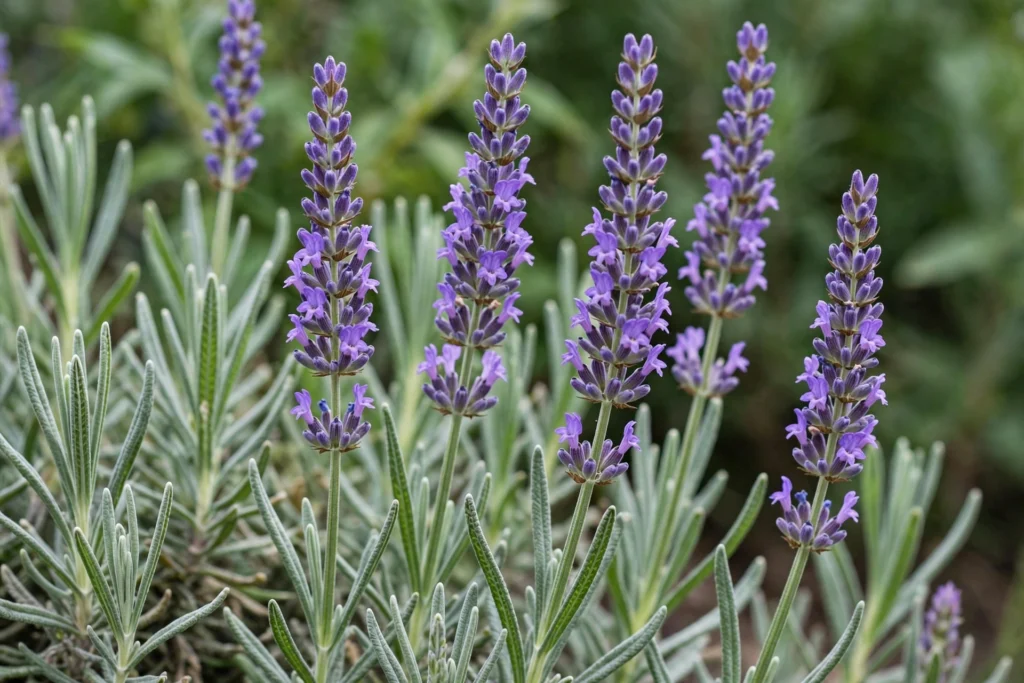
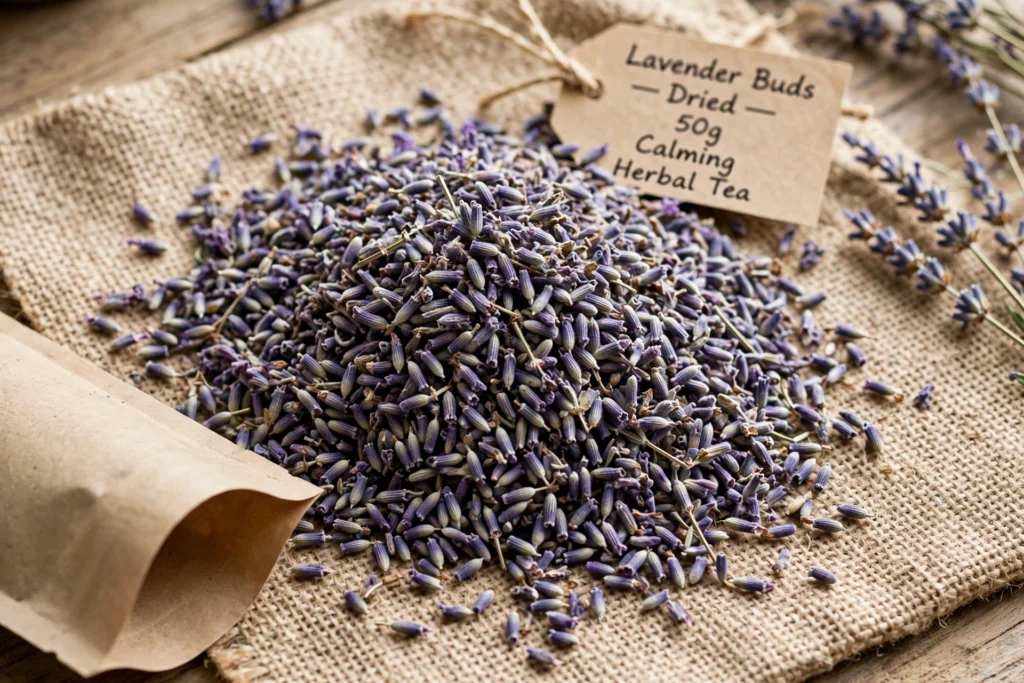
In Mediterranean and Unani medicine, lavender flowers have long been used as a calming tea and bath herb for restlessness, sleep and headache, and the oil for massage and minor skin complaints; in Unani it is known as Ustukhuddus and used for nervous and brain complaints.
Modern Research
Lavender has one of the stronger evidence profiles among calming herbs, but the evidence is product-specific: standardized oral lavender oil (Silexan, 80 mg/day) showed meaningful anxiety reduction in a 2023 meta-analysis of five placebo-controlled trials (1,213 patients), with side effects similar to placebo, and sleep improved mainly because anxiety fell. Aromatherapy evidence is weaker and based on lower-quality trials. Lavender is not a proven treatment for major psychiatric illness or a substitute for prescribed care.
Uses
- Anxiety and stress support
- Sleep quality support
- Skin care (diluted oil, topical)
- Aromatherapy and baths
Benefits of Use
- Anxiety support: standardized oral lavender oil (Silexan) reduced anxiety in multiple placebo-controlled trials, comparable to low-dose lorazepam in one head-to-head trial
- Sleep support: may improve sleep quality, mainly in people whose poor sleep is linked to anxiety or restlessness
- Stress support: inhalation trials report reduced anxiety in medical and stressful settings
- Skin support: diluted oil traditionally used for minor skin irritation, with limited trial evidence
Safe Dose & Overdose (mg/g)
Raw Herb Form
Safe: 1,000-2,000 mg/day dried flowers as tea (1-2 teaspoons steeped in a cup of boiling water); long-term safety beyond 10 weeks is not well studied.
Overdose: Ingesting undiluted essential oil is toxic — as little as 500-1,000 mg (0.5-1 mL) may cause nausea, vomiting and central nervous system depression; never swallow essential oil.
Extract Form
Safe: 80-160 mg/day standardized oral lavender oil (Silexan-type), 80 mg/day most studied, for 6-10 weeks.
Overdose: Not established
Side Effects
- Nausea, stomach discomfort and burping with lavender taste (oral oil)
- Headache in some users
- Constipation and increased appetite (oral oil)
- Allergic contact dermatitis from undiluted oil on skin
- Possible hormone-like effects — case reports link repeated topical use to breast development in prepubertal boys
Interactions
- Sedatives, benzodiazepines and opioids: may add to drowsiness and sedation
- Alcohol: may add to central nervous system depression
- Blood-pressure medicines: may add to blood-pressure-lowering effects in theory
- Liver-processed drugs (CYP3A4/CYP2D6 substrates): theoretical interaction, low to medium risk
Sources
DisclaimerGeneral information only — not medical advice. Consult a qualified healthcare professional before use.