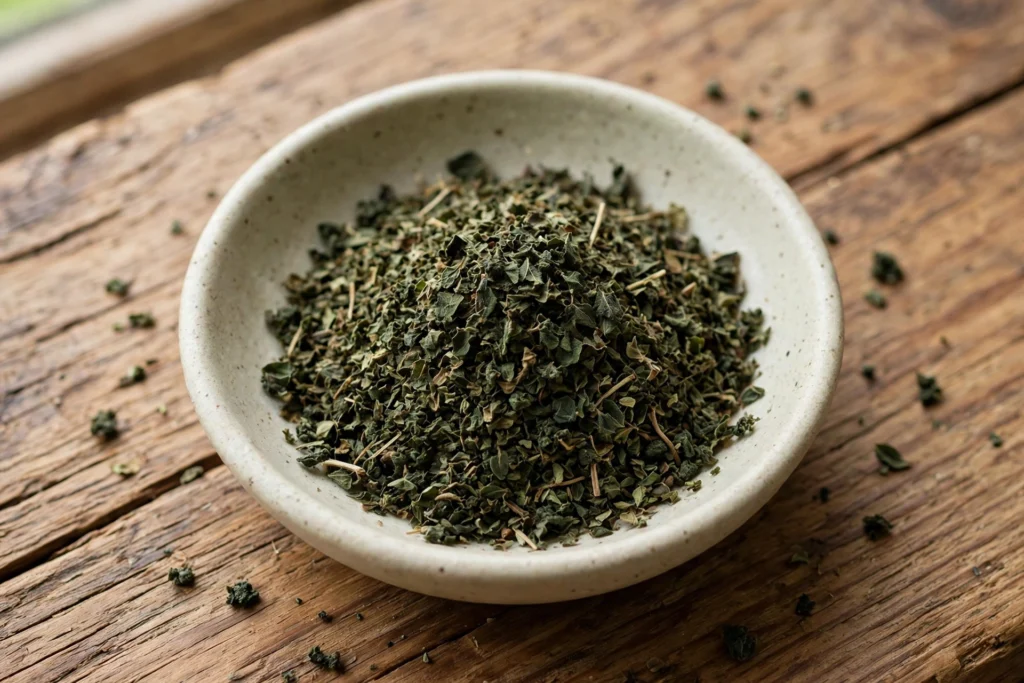
Names in Different Languages
| English | Oregano |
|---|
| Urdu | اوریگانو |
|---|
| Hindi | ओरेगैनो |
|---|
| Farsi | اوریگانو |
|---|
| Unani | Oregano |
|---|
| French | Origan |
|---|
| German | Oregano |
|---|
Traditional Uses
In traditional European and Mediterranean practice oregano tea was used for indigestion, bloating, coughs, colds and sore throats, and the leaves were used to preserve food and dress minor skin complaints.
Modern Research
Drugs.com notes there is limited clinical trial evidence to support oregano for any indication, though carvacrol and thymol show antimicrobial and antioxidant activity in laboratory studies. A small 2019 trial reported oregano extract eased bloating and gas in 68% of participants versus placebo. NCCIH notes evidence is insufficient for most therapeutic claims; oregano is generally recognised as safe as food.
Uses
- Digestive support (tea)
- Respiratory support for coughs and colds (traditional)
- Cooking herb and seasoning
- Antioxidant support in food
Benefits of Use
- Digestive support: small trial evidence for easing bloating and gas
- Antioxidant support: rich in carvacrol, thymol and rosmarinic acid
- Respiratory support: traditional use for coughs and colds
- Immune support: antimicrobial activity against some bacteria and fungi in laboratory studies
Safe Dose & Overdose (mg/g)
Raw Herb Form
Safe: 2,000-6,000 mg/day dried leaf as tea (1,000-3,000 mg per cup, 2-3 cups daily, for short periods).
Overdose: Not established
Extract Form
Safe: 200-600 mg/day standardized extract (a small study used 200 mg/day emulsified oil for 6 weeks; other references use 300-600 mg extract twice daily with meals).
Overdose: Not established
Side Effects
- Stomach irritation, nausea or diarrhoea at high doses
- Allergic reactions (rash, itching) in people sensitive to mint-family plants
- Skin irritation from undiluted essential oil
- May lower blood sugar, which can cause problems for people on diabetes medicines
Interactions
- Blood thinners (warfarin): may slow blood clotting and raise bleeding risk
- Diabetes medicines: may add to blood-sugar-lowering effects
- Lithium: oregano may change how the body clears lithium
- Medicines processed by the liver (CYP450): oregano may affect their breakdown
Sources
DisclaimerGeneral information only — not medical advice. Consult a qualified healthcare professional before use.