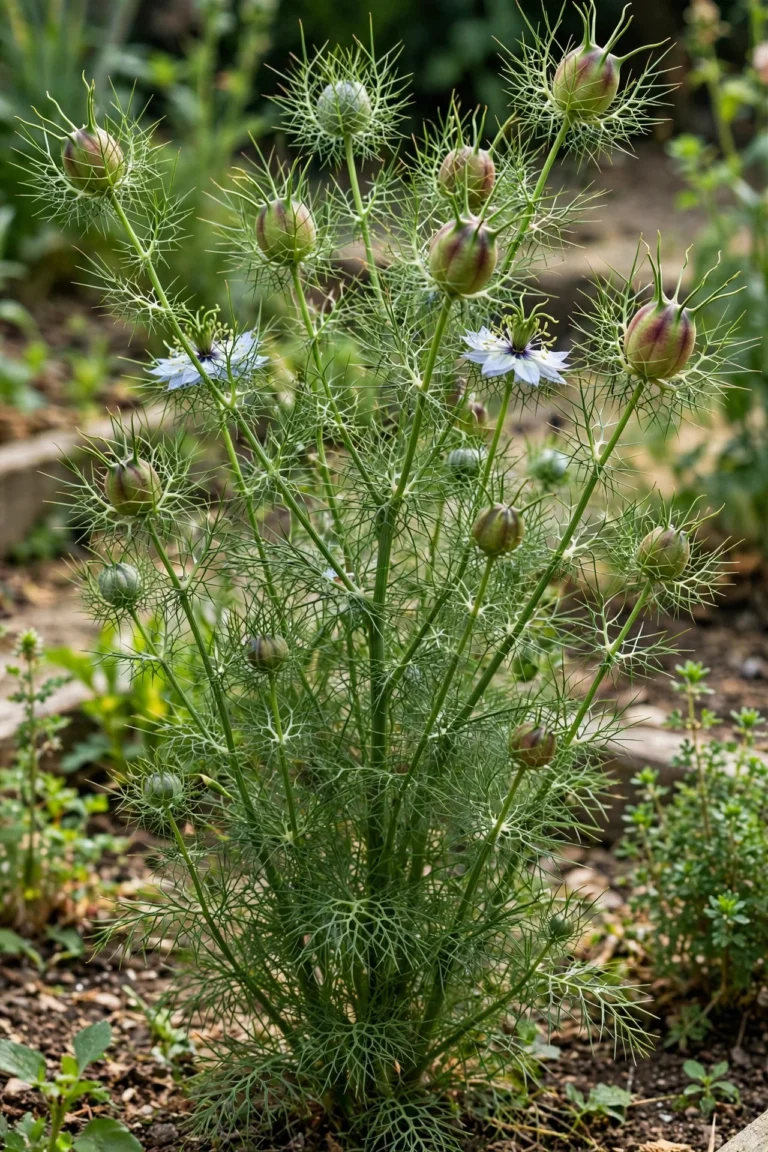
Names in Different Languages
| English | Thyme |
|---|
| Urdu | تھائم |
|---|
| Hindi | थाइम |
|---|
| Farsi | آویشن |
|---|
| Unani | Hasha |
|---|
| French | Thym |
|---|
| German | Thymian |
|---|
Traditional Uses
Traditionally used across Europe for coughs, bronchitis, sore throats and colds, and for indigestion, gas and intestinal complaints. Thyme was also used to preserve food, dress wounds and, in folk practice, to lift low mood.
Modern Research
The European Medicines Agency recognises thyme as a traditional herbal medicine for productive cough with a cold, based on long-standing use. Two placebo-controlled trials of thyme combined with ivy or primrose (361 adults each) found coughing fits fell by about two-thirds over 11 days, though the effect cannot be credited to thyme alone. Thymol and carvacrol show antimicrobial and antioxidant activity in laboratory studies; high-quality evidence for thyme alone in humans is limited.
Uses
- Cough and respiratory support (tea and syrups)
- Digestive support
- Cooking herb and seasoning
- Mouthwash and gargle (traditional)
Benefits of Use
- Respiratory support: thyme-ivy and thyme-primrose blends reduced cough frequency in trials of acute bronchitis
- Digestive support: traditional use for indigestion, bloating and gas
- Immune support: thymol and carvacrol show antimicrobial activity in laboratory studies
- Antioxidant support: flavonoids and rosmarinic acid help counter oxidative stress in laboratory studies
Safe Dose & Overdose (mg/g)
Raw Herb Form
Safe: 3,000-8,000 mg/day dried herb as tea (1,000-2,000 mg per 150 ml cup, 3-4 times daily; EMA monograph).
Overdose: Not established
Extract Form
Safe: 200-500 mg/day dried extract in capsules, or 2-4 ml liquid extract (1:5) 2-3 times daily in water.
Overdose: Not established
Side Effects
- Stomach upset, nausea or vomiting at high doses
- Allergic reactions (rash, itching) in people sensitive to mint-family plants
- Skin irritation or contact dermatitis from undiluted essential oil
- Dizziness or rapid heartbeat with excessive medicinal use
Interactions
- Blood thinners (warfarin): may add to bleeding risk
- Diabetes medicines: may add to blood-sugar-lowering effects
- Thyroid medicines (levothyroxine): thymol may interfere with absorption
- Hormone-sensitive conditions: thyme contains phytoestrogens, so caution is advised
Sources
DisclaimerGeneral information only — not medical advice. Consult a qualified healthcare professional before use.