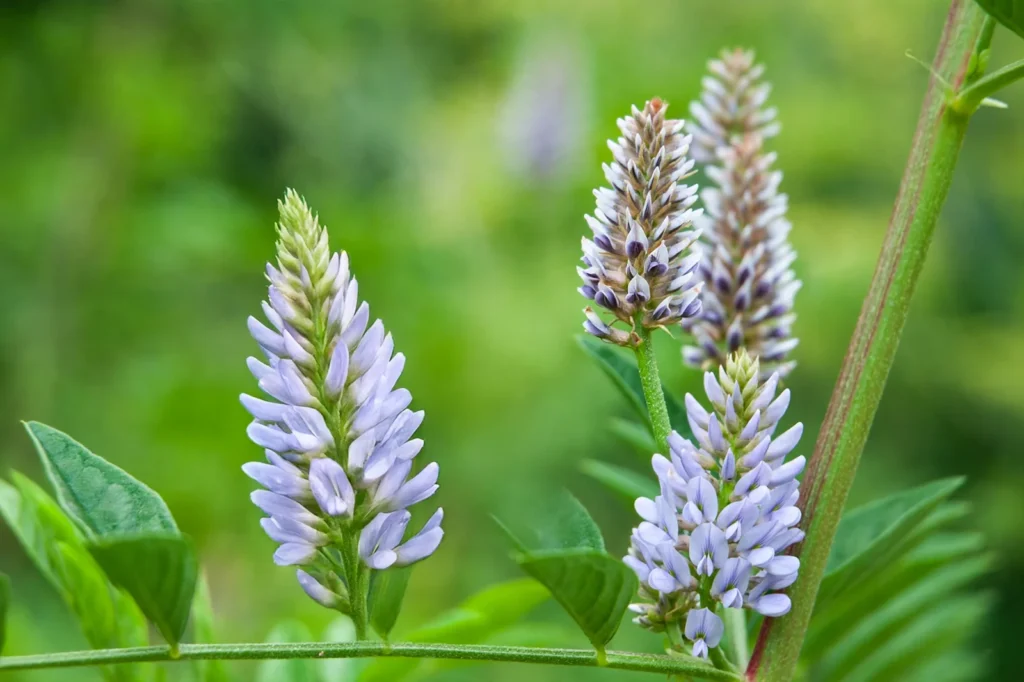
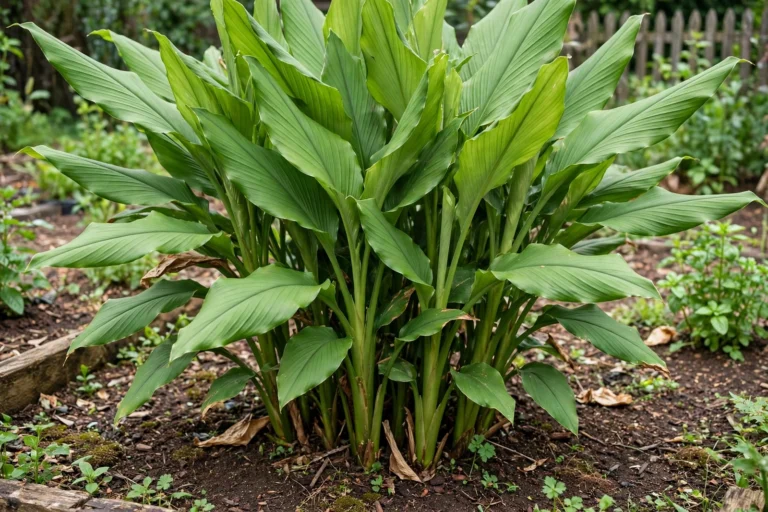
Names in Different Languages
| English | Licorice |
|---|
| Urdu | ملٹھی |
|---|
| Hindi | मुलेठी |
|---|
| Farsi | شیرینبیان |
|---|
| Unani | Aslussoos |
|---|
| French | Réglisse |
|---|
| German | Süßholz |
|---|
Traditional Uses
In Ayurveda, Unani and Chinese medicine, licorice root has long been used for cough and sore throat, digestive complaints including stomach irritation, and as a sweetener and harmonizing ingredient in herbal formulas.
Modern Research
Glycyrrhizin and flavonoids are the main active compounds. Evidence supports traditional use for cough and throat comfort and for stomach lining protection (especially deglycyrrhizinated licorice, DGL). The same glycyrrhizin that gives licorice its effects causes its main risk: with chronic high intake it mimics aldosterone and can raise blood pressure and lower potassium.
Uses
- Cough and sore throat relief
- Digestive and stomach-lining support
- Skin support (traditional, external)
- Respiratory comfort
Benefits of Use
- Respiratory support: demulcent action may soothe cough and sore throat
- Digestive support: DGL may support stomach lining and ease indigestion
- Skin support: traditional external use for minor skin irritation
- Throat comfort: lozenges and teas traditionally used for hoarseness
Safe Dose & Overdose (mg/g)
Raw Herb Form
Safe: 1,000-6,000 mg/day dried root as powder or tea short-term (HMPC tea dose 5,000-15,000 mg/day; do not exceed 9,000 mg/day for extended use).
Overdose: Chronic use above 9,000 mg/day, or glycyrrhizin above 100 mg/day: hypertension, potassium loss, oedema and heart rhythm problems.
Extract Form
Safe: 200-400 mg/day glycyrrhizin-containing extract short-term (2-4 weeks); DGL 380-1,140 mg/day (about 380 mg, 3 times daily).
Overdose: Chronic glycyrrhizin above 100 mg/day: hypertension, hypokalaemia, oedema and arrhythmias (EU Scientific Committee on Food upper limit 100 mg/day).
Side Effects
- High blood pressure with chronic high intake
- Potassium loss, fluid retention and swelling (oedema)
- Heart rhythm problems in severe potassium loss
- Headache and fatigue from blood-pressure effects
- Hormonal effects with very long-term high intake
Interactions
- Diuretics (water pills): increased potassium loss
- Corticosteroids: increased potassium loss and blood-pressure effects
- Blood-pressure medicines: licorice may counteract them
- Blood thinners: may increase bleeding risk in theory
- Digoxin and other heart medicines: risk rises if potassium falls
Sources
DisclaimerGeneral information only — not medical advice. Consult a qualified healthcare professional before use.