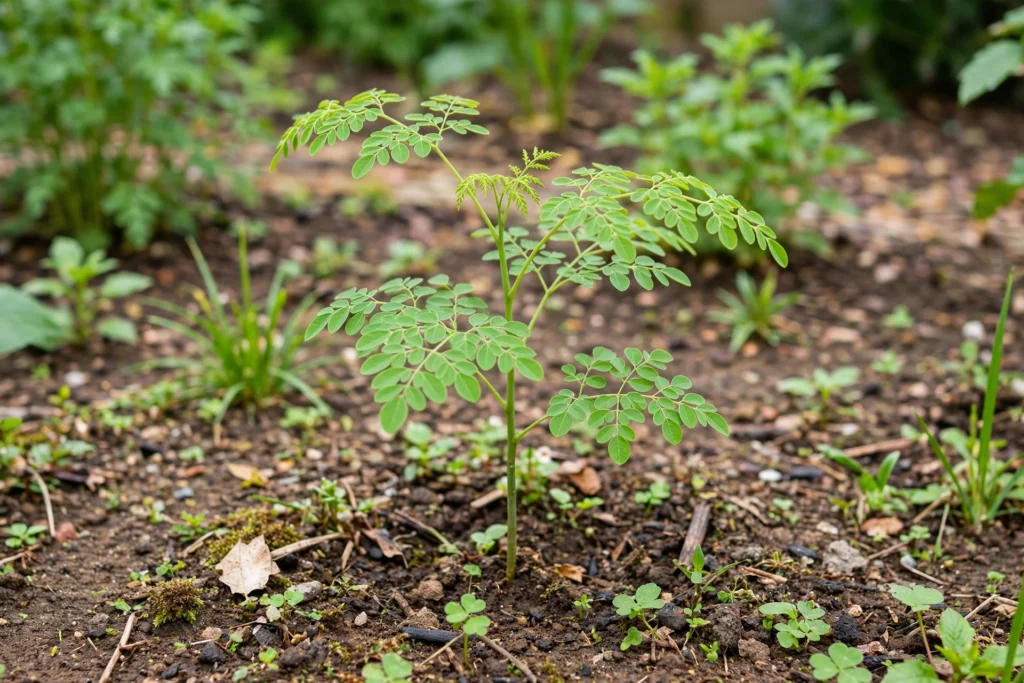
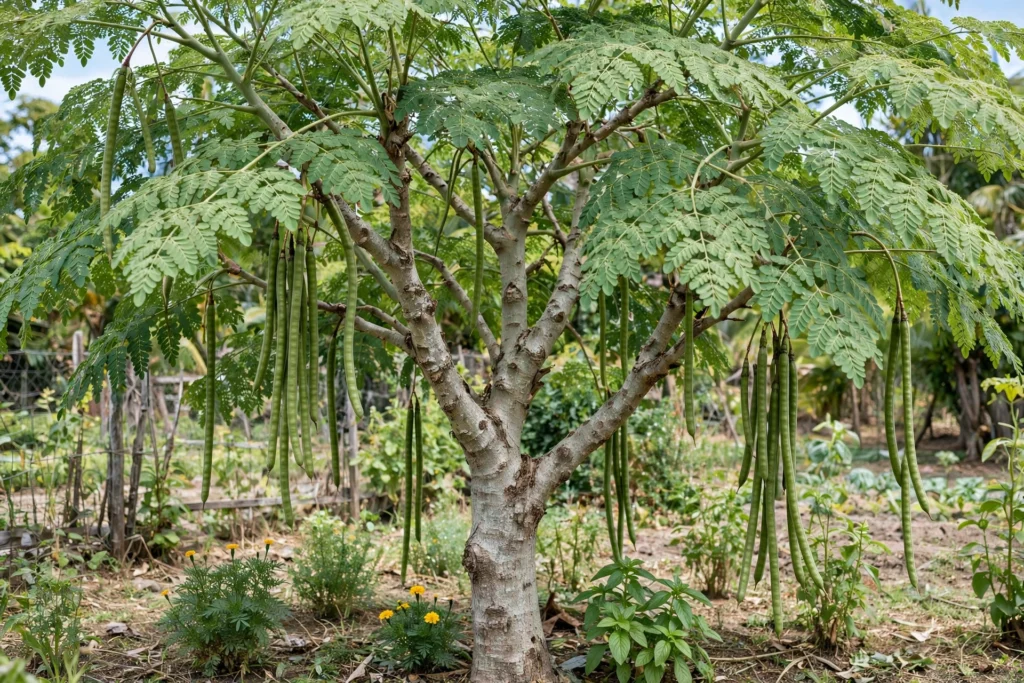
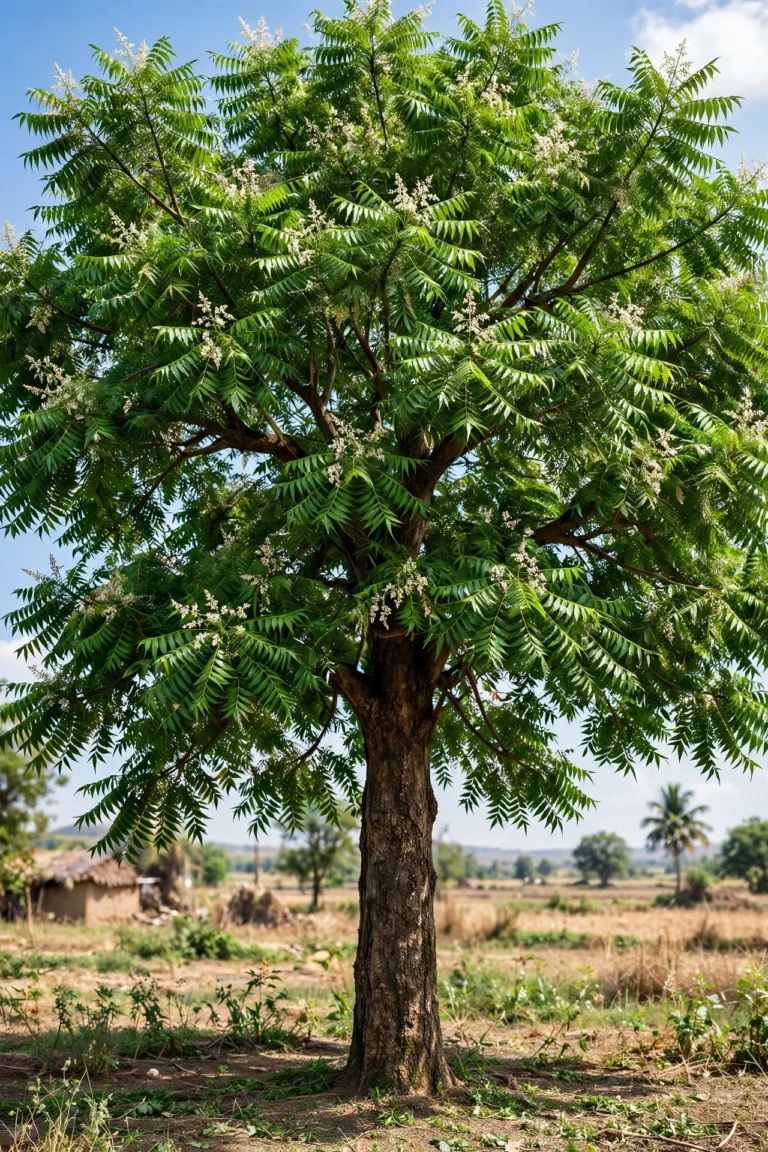
Names in Different Languages
| English | Moringa |
|---|
| Urdu | مورنگا |
|---|
| Hindi | मोरिंगा |
|---|
| Farsi | مورینگا |
|---|
| Unani | Sahajna |
|---|
| French | Moringa |
|---|
| German | Meerrettichbaum |
|---|
Traditional Uses
In Ayurveda and Unani medicine, moringa (sahajna/drumstick) leaves and pods have long been eaten as a nutritious vegetable and used as a tonic for general vitality, digestion, anaemia and lactation support, while the root and bark were used only in small, careful doses.
Modern Research
Moringa leaves are genuinely nutritious, supplying vitamins A and C, calcium, iron and protein. A 2025 meta-analysis of 9 randomised trials (649 adults) found no consistent effect on fasting glucose, HbA1c, cholesterol or body weight, rating the evidence very low certainty. Earlier small trials reported modest blood-sugar and cholesterol improvements, but the pooled picture does not yet hold together, and moringa is not a substitute for prescribed treatment.
Uses
- Blood-sugar support
- Heart support (cholesterol, blood pressure)
- Immune and antioxidant support
- Cooking (leaves and drumstick pods as a vegetable)
Benefits of Use
- Blood-sugar support: small trials report modest reductions in fasting and post-meal blood glucose in people with prediabetes and type 2 diabetes
- Heart support: some small trials report modest reductions in total and LDL cholesterol, though pooled trials show no consistent effect
- Immune support: leaves are rich in vitamin C, beta-carotene and polyphenols, with antioxidant activity in laboratory studies
- Antioxidant support: isothiocyanates (including moringin) show strong antioxidant and anti-inflammatory activity in laboratory studies
Safe Dose & Overdose (mg/g)
Raw Herb Form
Safe: 2,000-8,000 mg/day dried leaf powder (trials used 2,400 mg/day in prediabetes and 7,000-8,000 mg/day in type 2 diabetes; common practice 1-2 teaspoons, about 2-6 g/day).
Overdose: Not established
Extract Form
Safe: not established
Overdose: Not established
Side Effects
- Mild stomach upset, nausea, diarrhoea and cramps, especially at higher doses
- Fatigue and allergic skin reactions reported at very high amounts
- A single published case of liver injury in a 60-year-old woman taking moringa capsules (LiverTox rates it a possible rare cause)
- Avoid root and bark: they contain alkaloids linked to toxicity in animal studies; avoid in pregnancy
Interactions
- Diabetes medicines (metformin, insulin, sulfonylureas): may add to blood-sugar-lowering effects; a 2025 interaction review warns of low blood sugar risk with metformin
- Blood-pressure medicines: may add to blood-pressure-lowering effects
- Blood thinners (warfarin): moringa may stimulate blood clotting, so caution is advised
- Thyroid medicines: speak to a doctor first, as moringa may affect thyroid hormone levels
Sources
DisclaimerGeneral information only — not medical advice. Consult a qualified healthcare professional before use.