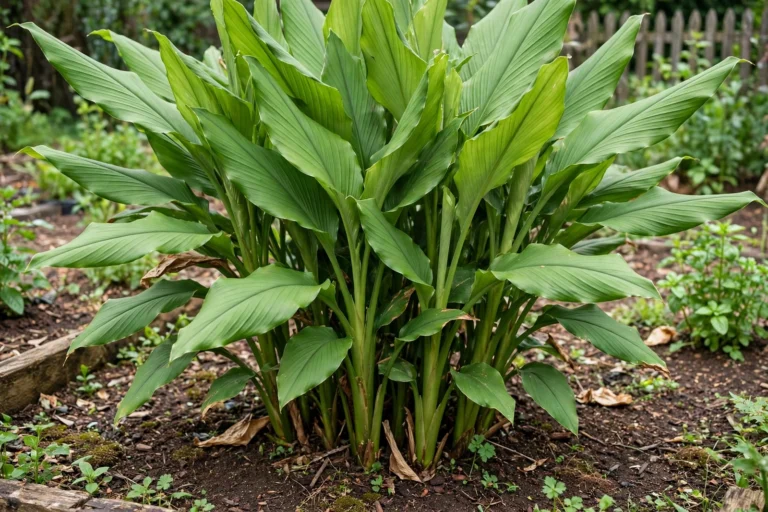
Turmeric
Modern research focuses on curcumin, turmeric's main active compound, which shows anti-inflammatory and antioxidant activity in laboratory and clinical studies. Evidence is strongest for modest support…
Read full guide →Ancient Wisdom, Modern Research.
Every herb, fully explained: traditional wisdom and modern research, in your own language.
HerbWisdom is an information library for everyone: each herb gets one complete page — its uses, benefits, side effects, interactions, origins, names in seven languages, traditional uses and modern research, plus safe doses and overdose limits in milligrams and grams for both the raw herb and its extract. This is general information only, not medical advice.
Clear, honest information about everyday herbs — what they are used for, what research actually says, and where caution is needed.
Pick a herb, or browse by benefit. Use the language changer to read in your own language, and reading mode for a clean, distraction-free page.
No invented doses, no guaranteed cures, no hype. Where a safe limit is not established, we say so plainly, with sources.
Every category below lists the herbs traditionally and scientifically linked to that benefit.
Modern research focuses on curcumin, turmeric's main active compound, which shows anti-inflammatory and antioxidant activity in laboratory and clinical studies. Evidence is strongest for modest support…
Read full guide →Gingerols and shogaols are the main active compounds. Clinical evidence is best for nausea (including pregnancy-related and motion-related nausea) and for modest relief of digestive discomfort…
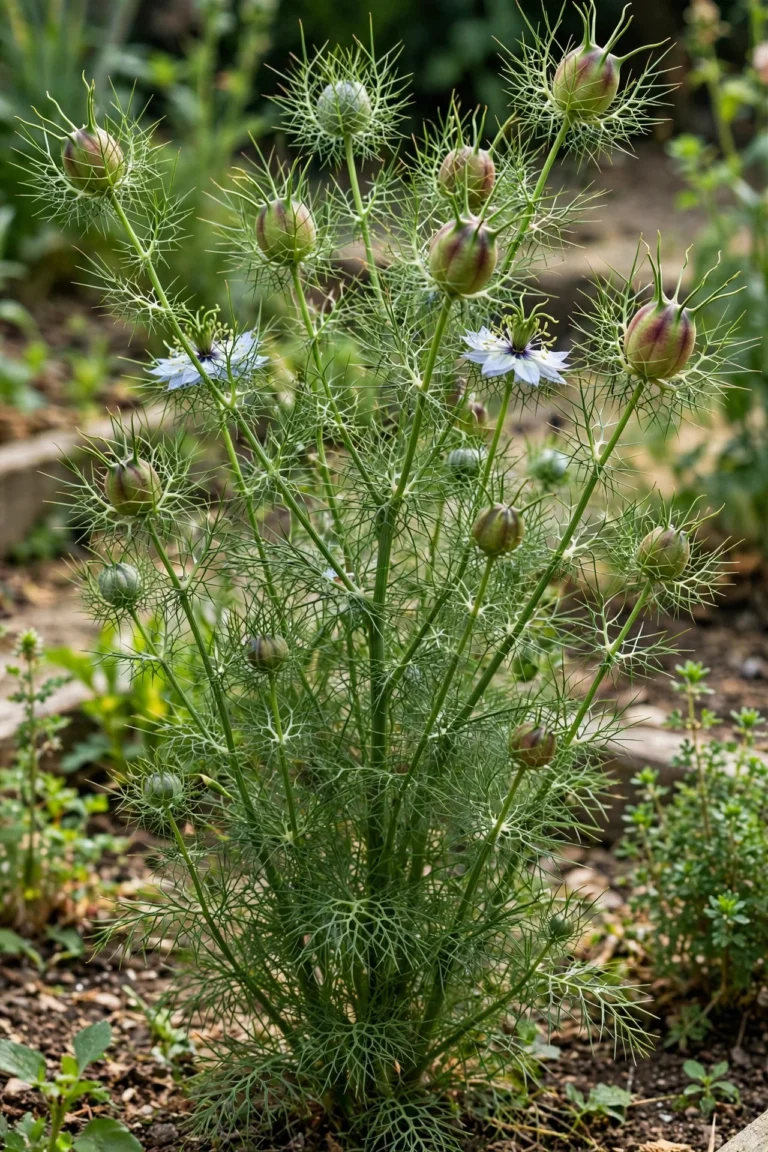
Read full guide →Thymoquinone is the main studied compound. Trials report modest improvements in blood-sugar control, blood pressure and respiratory symptoms, and antioxidant and anti-inflammatory activity in laboratory studies.…
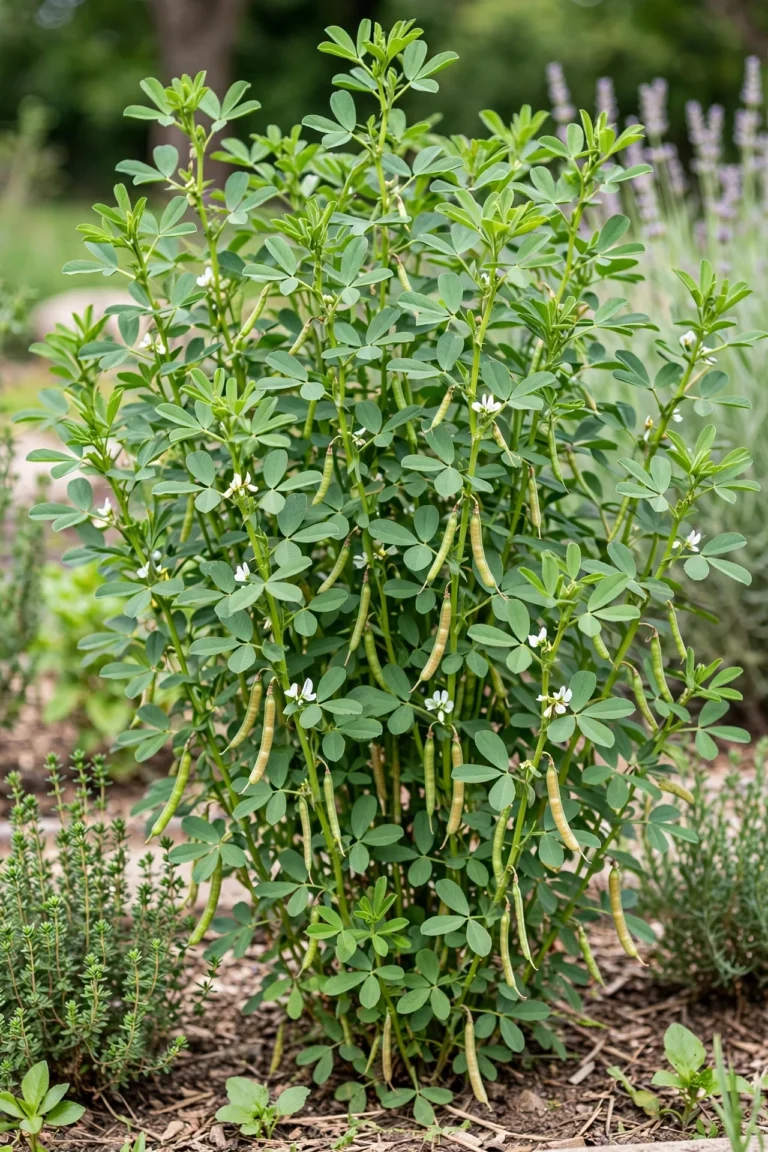
Read full guide →Soluble fibre and saponins are the main studied components. Trials show modest blood-sugar and cholesterol improvements, and some evidence for increased milk production. Effects are modest…
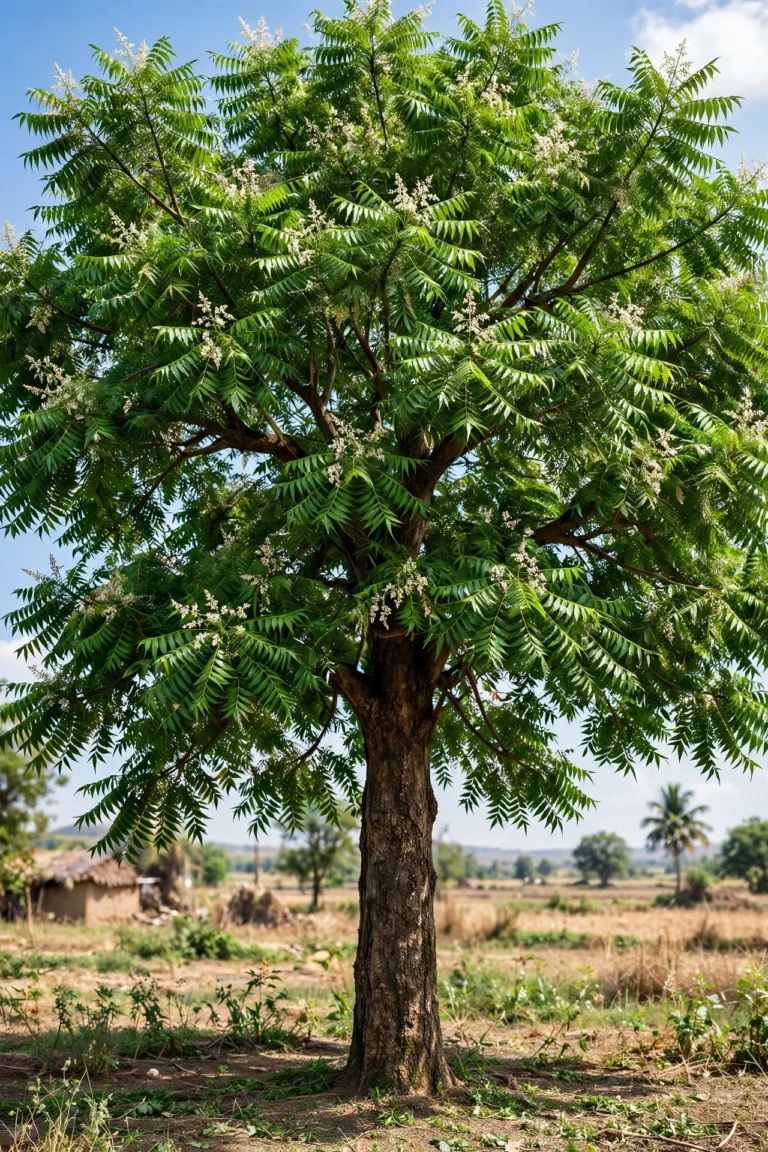
Read full guide →Neem leaf compounds show antibacterial, antifungal and anti-inflammatory activity in laboratory studies, and some small trials support dental and skin uses. Human clinical evidence is limited,…
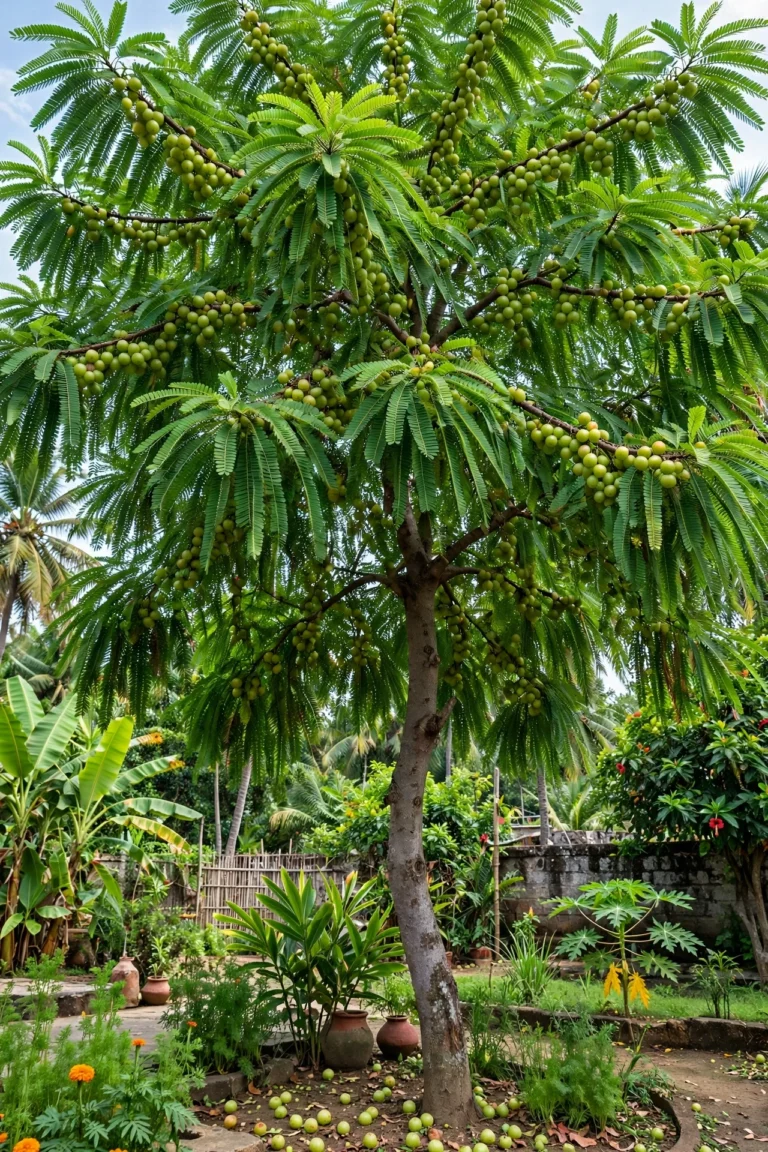
Read full guide →Amla is exceptionally rich in vitamin C and polyphenols. Small trials report modest improvements in cholesterol, blood sugar and antioxidant markers. Evidence is promising but based…
Read full guide →Standardized root extracts are among the better-studied herbal adaptogens: trials report modest reductions in perceived stress and anxiety scores and small improvements in sleep quality, and…
Read full guide →Glycyrrhizin and flavonoids are the main active compounds. Evidence supports traditional use for cough and throat comfort and for stomach lining protection (especially deglycyrrhizinated licorice, DGL).…
Read full guide →Eugenol and ursolic acid are key studied compounds. Small trials report modest stress, blood-sugar and respiratory-symptom improvements, and laboratory studies show antioxidant and antimicrobial activity. Evidence…
Read full guide →Thymol is the main active compound, giving ajwain its antiseptic and antispasmodic properties in laboratory studies. Human trial evidence is limited; traditional digestive and respiratory uses…
Read full guide →Cinnamaldehyde and polyphenols are the main studied compounds. A 2019 review of 16 studies found reduced fasting blood glucose and insulin resistance, and meta-analyses report average…
Read full guide →Allicin and other sulfur compounds are the main studied components. NCCIH (February 2025) states garlic supplements may reduce total and LDL cholesterol to a small extent,…
Read full guide →Apigenin is the main studied compound. A 2019 meta-analysis of 12 trials found better sleep-quality scores, but the only trial measuring insomnia severity found no change,…
Read full guide →Menthol is the main active compound, relaxing intestinal smooth muscle. NCCIH states there is some evidence that enteric-coated peppermint oil capsules can help reduce IBS symptoms…
Read full guide →Eugenol (70-90% of clove oil) is the main active compound. Its best-supported use is topical dental pain relief: a 2006 randomized trial found clove gel comparable…
Read full guide →A handful of small randomized trials, pooled in meta-analyses, report modest improvements in blood pressure, inflammation markers (hs-CRP, IL-6, TNF-alpha) and serum insulin, mostly at about…
Read full guide →Anethole, the main active compound, relaxes gut smooth muscle, which supports fennel's traditional digestive use; randomized trials support infant colic relief and modest menstrual-pain relief, and…
Read full guide →Evidence is strongest for topical gel on minor burns: a 2023 meta-analysis found healing about 3.76 days faster for second-degree burns, though a 2012 Cochrane review…
Read full guide →Ginsenosides are the main studied compounds. NCCIH notes small, short trials: modest support for some types of fatigue and selected aspects of cognition, small blood-sugar improvements,…
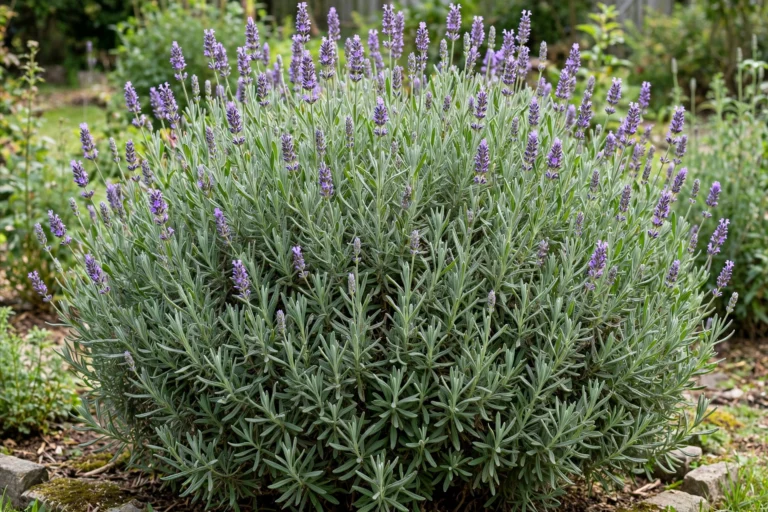
Read full guide →Lavender has one of the stronger evidence profiles among calming herbs, but the evidence is product-specific: standardized oral lavender oil (Silexan, 80 mg/day) showed meaningful anxiety…
Read full guide →General information only — not medical advice. Consult a qualified healthcare professional before use.